Ten Pillars of Lurra
The Ten Pillars are Lurra’s religion, encompassing ten gods and diverse regional traditions, rites and interpretations. The gods are real, but a miracle or a priest’s gift does not establish every claim of a doctrine as fact. Saquirius remains one of the Ten Pillars and a central deity in High Elven religious tradition.
The accounts below describe the gods through their cults, symbols and teachings. The old dwarven pantheon survives separately as myth and a relic of a lost world: its gods are dead.
Kadilia
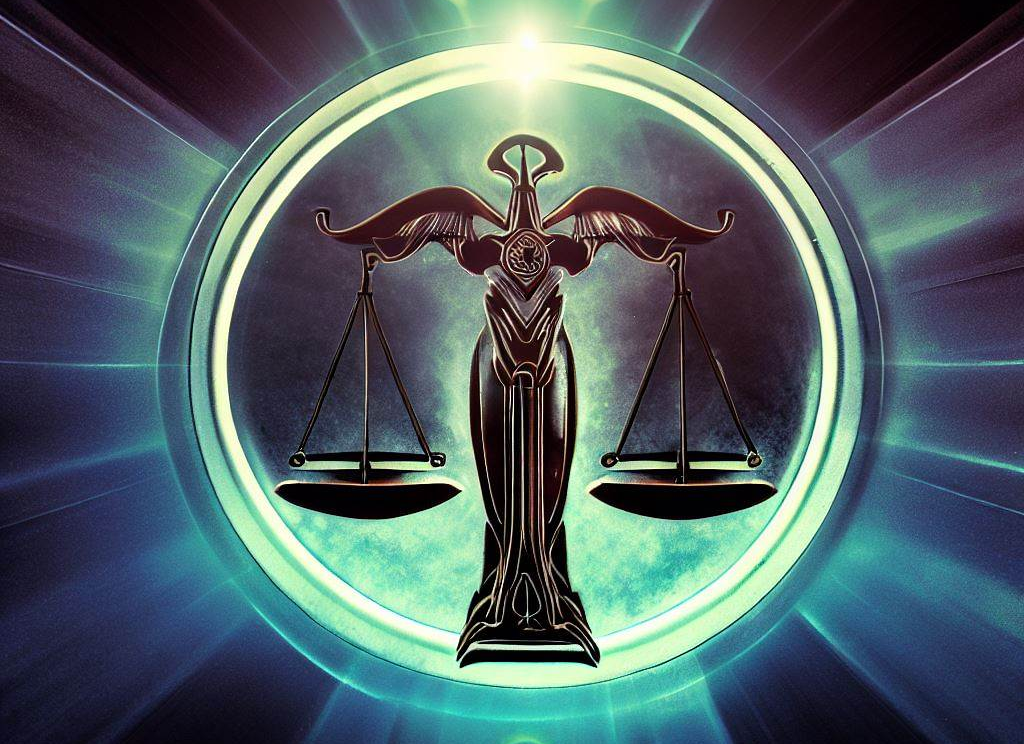
Radiant goddess of justice and light, shines as a beacon for rulers and those of noble birth. She is the divine counselor, believed to speak through monarchs and leaders, guiding them to maintain peace and equilibrium within their realms. Her presence reassures and inspires righteous leadership, instilling a sense of balance and fairness in governance.
Valdur
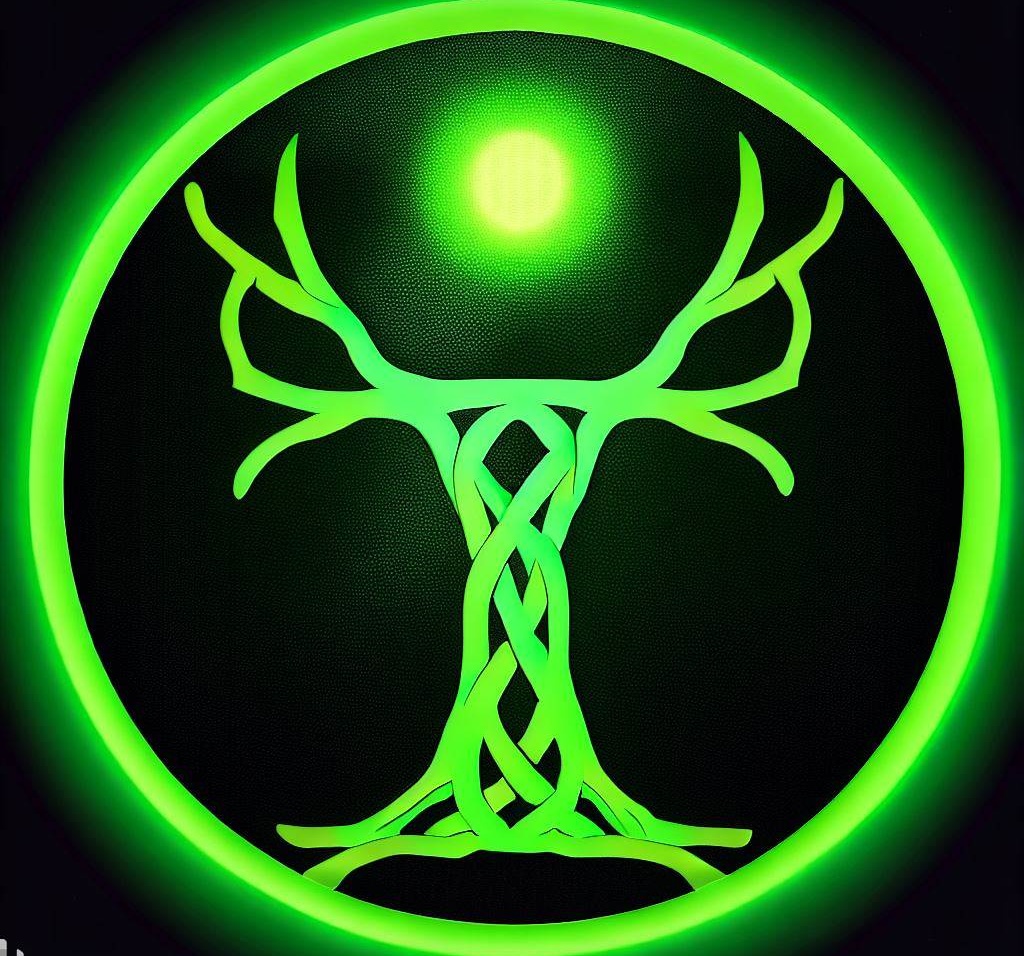
Valdur is revered as the god of nature. Traditions associate him with the origins of druidism, but druids receive their power directly from nature; priests of Valdur receive theirs from their deity. His legend gained prominence during the tumultuous Era of Eternal Storms in tales of his subjugation of the Archelementals and command over the elements. This formidable act earned him the title "Enslaver of the Elements," respected and feared among the shamans. Valdur's influence is predominantly seen among the wood elves and the stoic Rangers of the Dead Mountains. As a patron of druids and those who are deeply connected to nature, his guidance is sought in matters of the natural world.
Saquirius
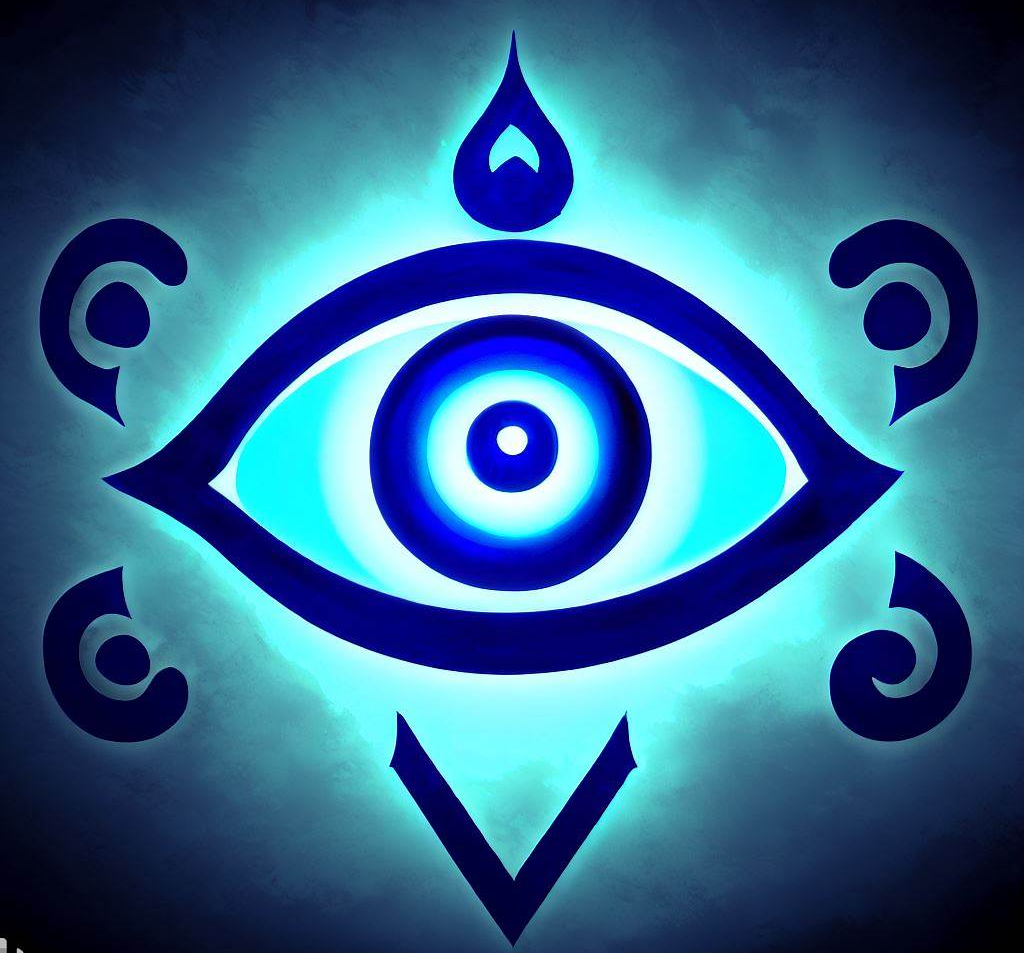
Mystical twin of Skotadian, is the acclaimed god of magic and esoteric, unnatural powers. Many believe he laid the foundation of magic in its existing form, shaping the arcane knowledge that now permeates throughout the realm. As the main deity revered by the High Elves, his influence spans through their magical practices and rituals.
Furantarr
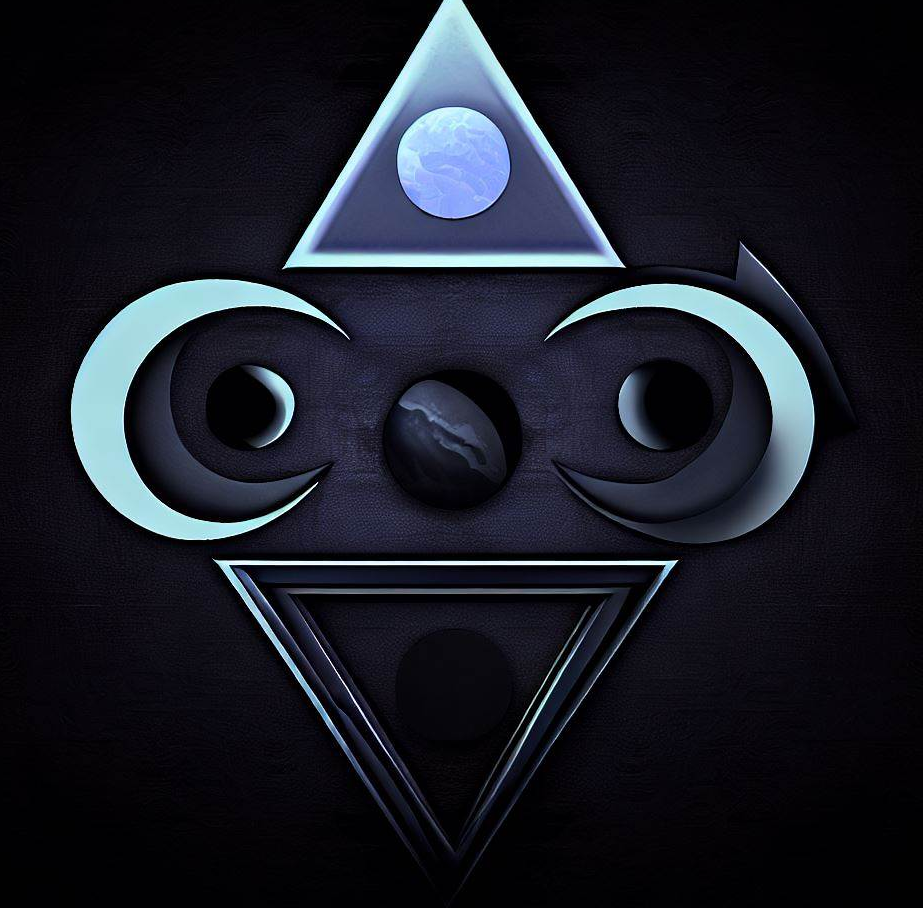
God of the moon, night, and stars, presides over the more obscure aspects of life. Yet, his domain also includes the realm of moral thieves and spies, embodying the shadier, yet vital, facets of society. The embodiment of ambiguity, Furantarr's presence is a reminder of the paradoxes that constitute existence.
Akillion
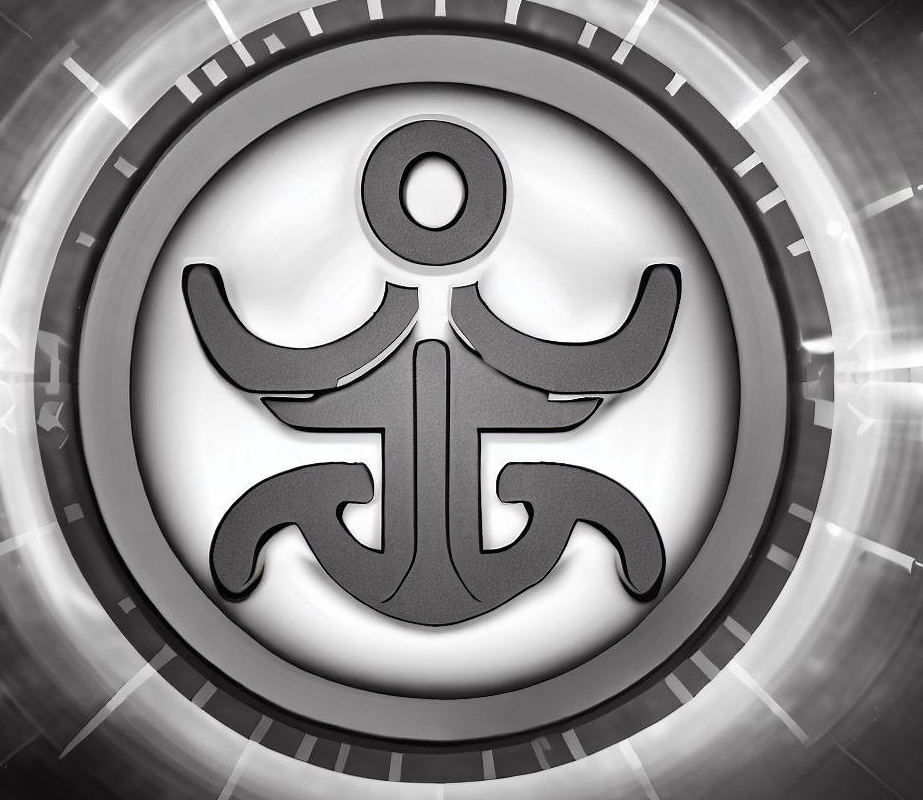
God of wisdom, trade knowledge and craftsmanship, the divine patron of scholars, philosophers, artists, poets, inventors, traders and musicians. His worship is a pursuit of wisdom, principally within the circles of the aristocracy. His realm of influence embodies the thirst for knowledge, creativity, and the beauty of intellectual and artistic endeavors.
Sundaris
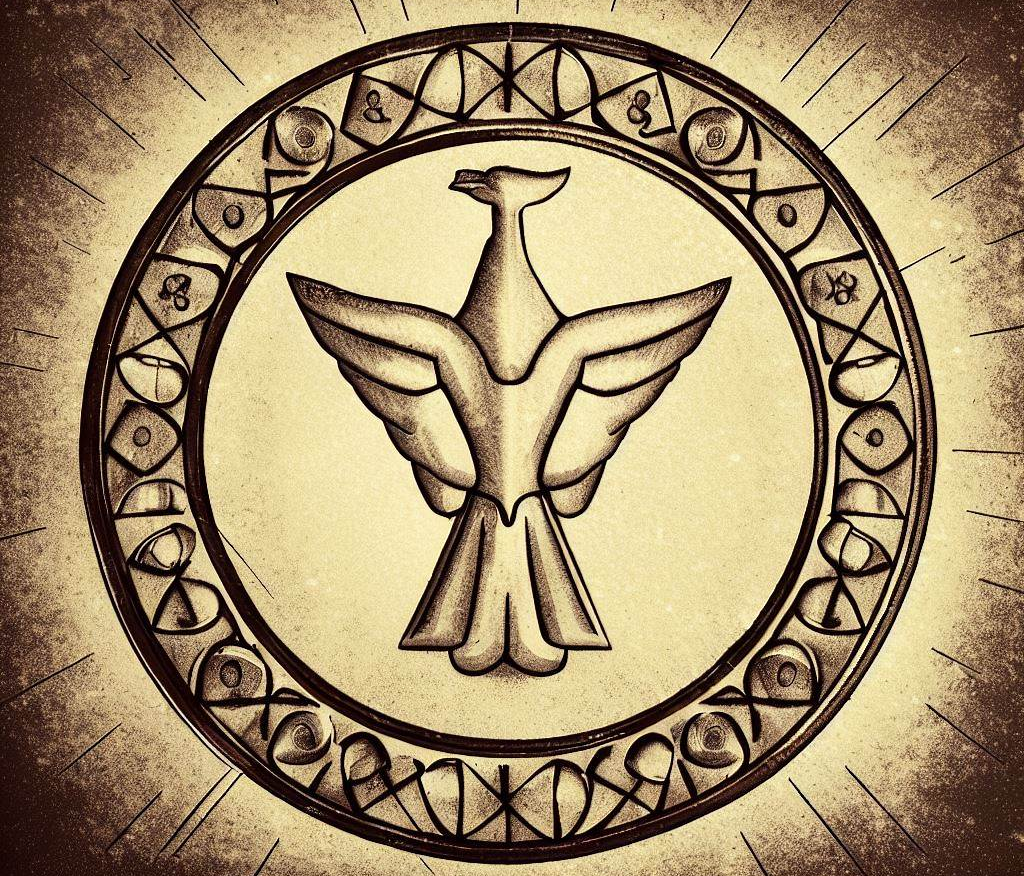
The benevolent goddess of peace, beauty, love, and fertility, also symbolizes the virtues of tolerance and forgiveness. She promotes the philosophy that all races should coexist in harmony, offering her divine protection to families and lovers. The cult of Sundaris has a substantial following in Antadon, where her teachings form the core of social structure and interactions.
Quartet of Anathema
“Quartet of Anathema” is a condemnatory name used in Pillarian theology for Deciptra, Mortagar, Skotadian and Bahaton. It expresses the judgment of those traditions rather than an objective cosmic classification. In these accounts they are whispered to be the architects of clandestine pacts and the puppeteers behind untimely demises. However, their malevolent influence is so feared on the continent of Lothaycor that revering them is a taboo punishable by dire consequences. Legend speaks of a grave ancient vendetta that warranted this fierce prohibition. But in the continent's darkest corners, forbidden rites in their name are still performed, drawing power from the very fear they inspire.
Skotadian

Enigmatic god of death is largely perceived as the architect of the life and death cycle. His traditions describe him as claiming mortal souls and escorting them into the afterlife; the full nature of that passage remains disputed. His persona intertwines with the fear and reverence of the unknown, encapsulating the concept of mortality and the continuity of life's journey beyond physical existence.
Deciptra
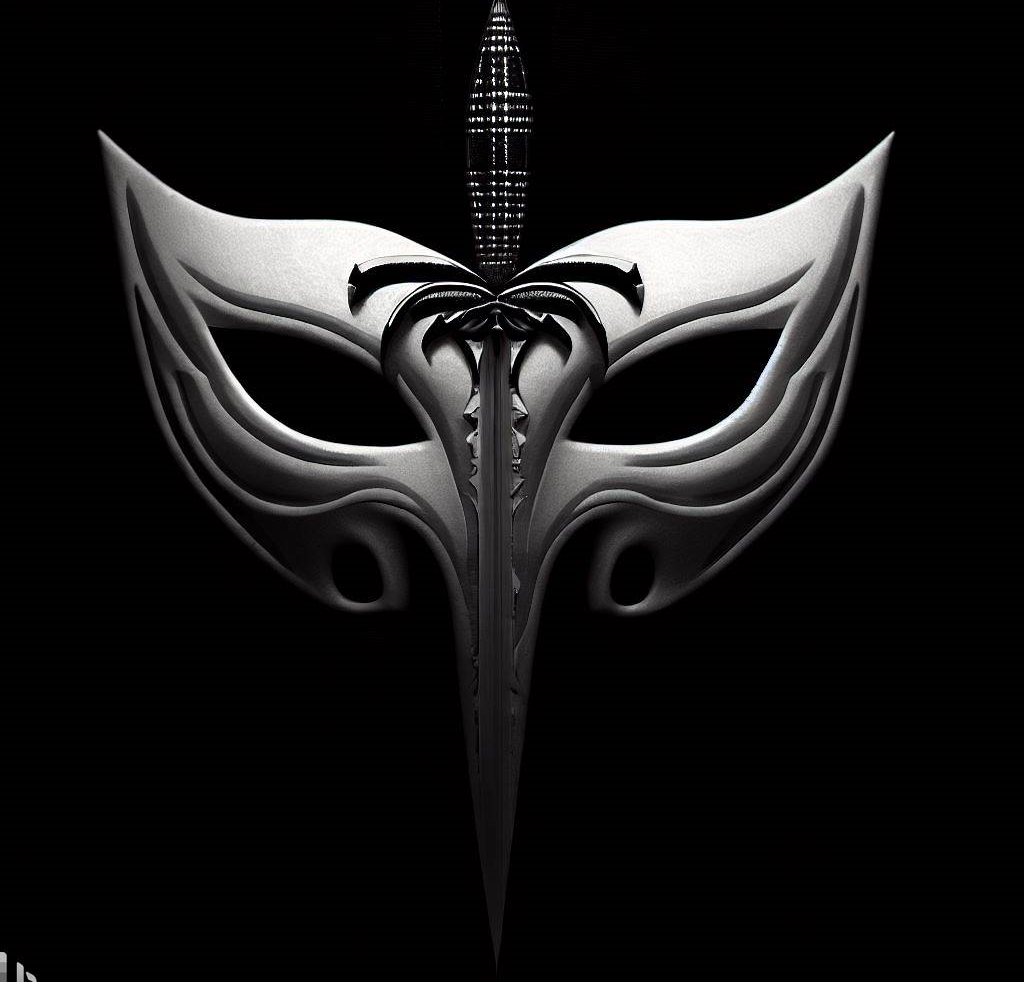
The embodiment of treachery with her raven-black hair and inky eyes, stands as the goddess of murder, crime, and deception. Often depicted with a poison-dripping dagger or a silvery noose, she revels in chaos, rewarding lies and subterfuge as art forms. Hidden temples in her honor lie deep in cities' shadows, laden with traps and illusions, where dark rituals and sacrifices are whispered secrets. Despite her malevolence, many seek her unmatched cunning for protection and power. Her symbol, a dagger in front of a masquerade mask, is worn by assassins, evil spies, conspirators and evil thieves as a token of her favor.
Bahaton
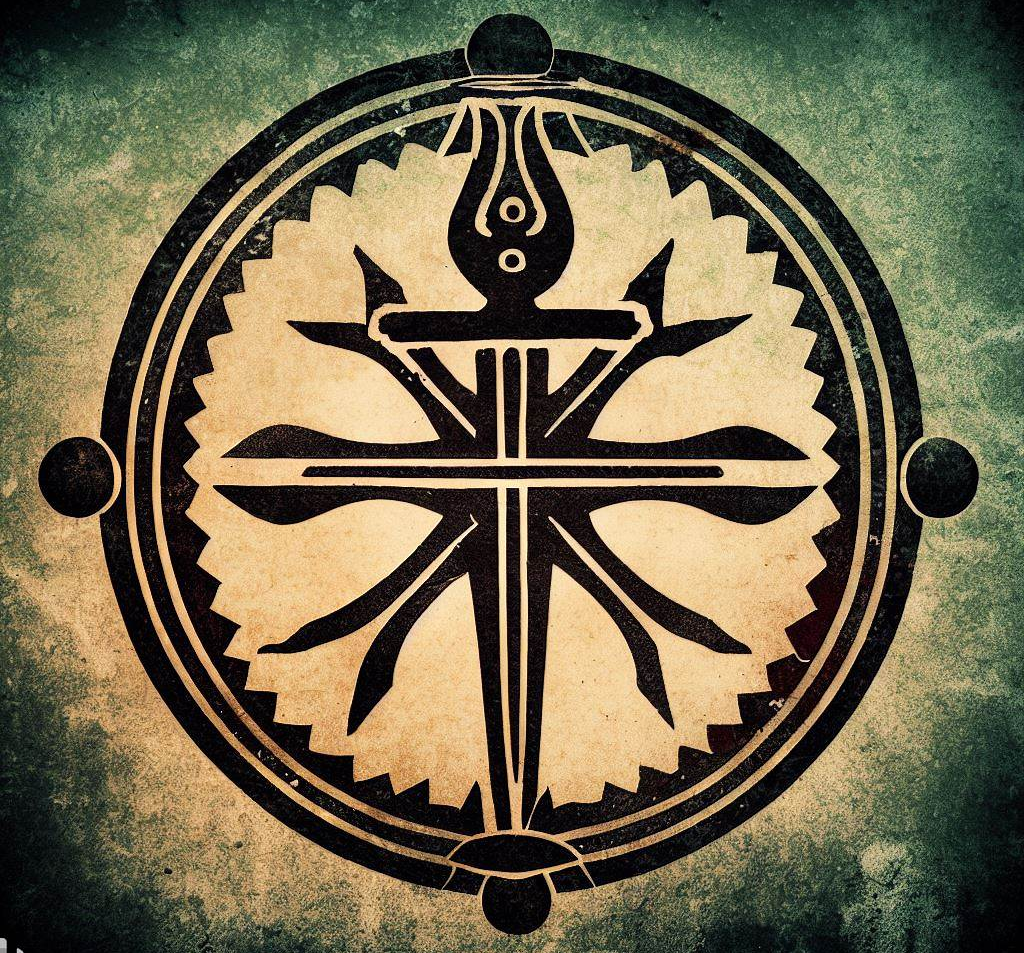
God of war and chaos, finds his worshippers among soldiers, warriors, smiths and rebels. The followers of Bahaton are instilled with courage and resolve, said to be so strong that they're rendered fearless. His role is of particular significance in times of conflict, where his might and determination serve as an inspiration to those in the heart of battle.
Mortagar
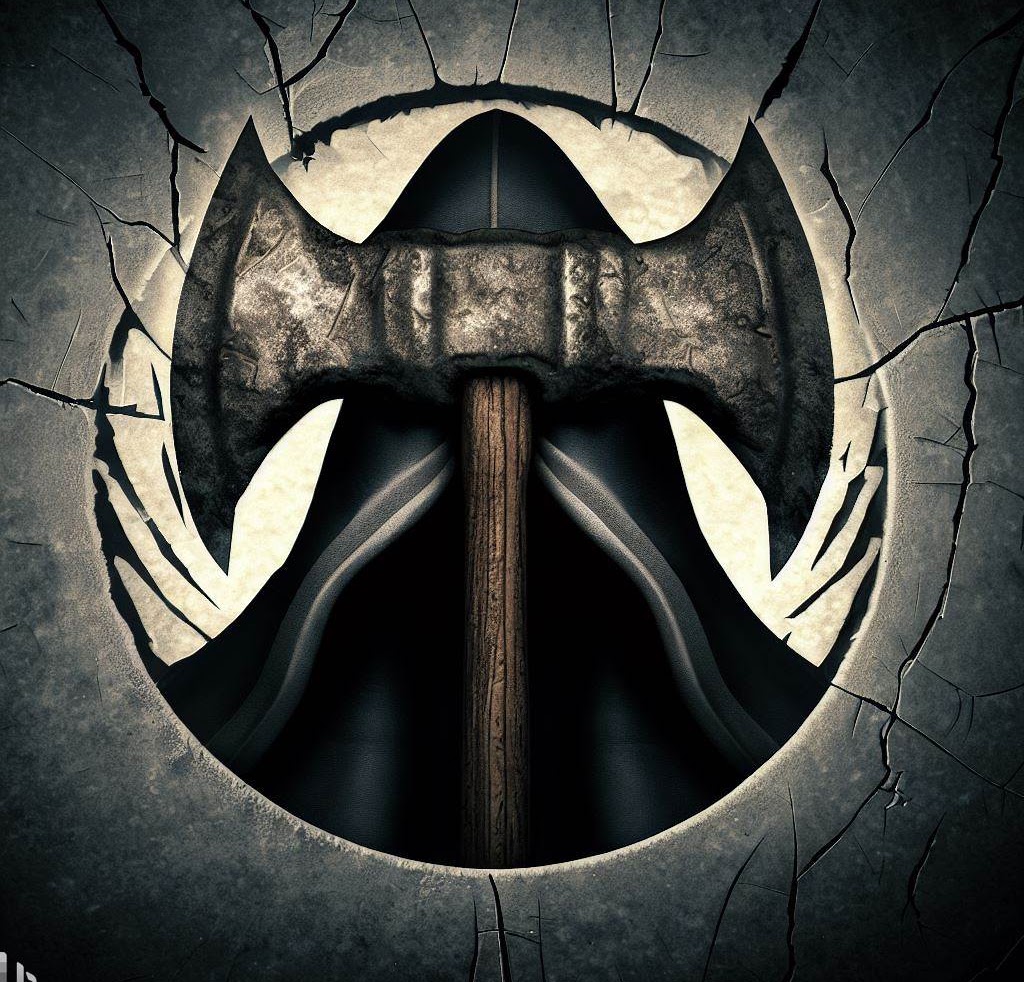
Mortagar stands as the epitome of cold, emotionless judgment. He is often depicted as a hooded figure, face obscured, wielding an axe poised to deliver its blow. The god demands and respects only one thing: the act of final judgment, whether it's just or not. Those who follow Mortagar believe in delivering verdicts and carrying them out, no questions asked. Temples of Mortagar are stark and severe, with altars resembling execution blocks.